




Running an ecommerce store with a few dozen products is relatively straightforward. Managing thousands of products, multiple variants, suppliers, collections, and inventory locations is a completely different challenge.
Many growing Shopify merchants reach a point where product management becomes more difficult than generating sales. Product uploads take longer, inventory errors become more common, collections get messy, and the risk of customer-facing mistakes increases significantly.
If you're looking for a better way to manage large Shopify product catalogs, this guide will walk you through proven strategies used by experienced Shopify teams to keep catalogs organized, accurate, and scalable.
Whether you're operating a fashion store with thousands of SKUs, a furniture brand with hundreds of product variations, or a wholesale catalog with complex inventory requirements, these best practices can save countless hours and prevent costly mistakes.
As your store grows, so does complexity.
It's not just about adding more products. Every new item introduces:
A store with 100 products may be manageable manually. A store with 10,000 products requires systems, processes, and automation.
Common challenges include:
Stock levels can quickly become inaccurate when products are sourced from multiple suppliers or warehouses.
Size, color, material, and style combinations often create hundreds of variants that become difficult to track manually.
One misplaced column in a CSV file can result in missing images, broken variants, incorrect pricing, or duplicate products.
As catalogs grow, collections often become cluttered, making navigation difficult for customers.
Large catalogs frequently contain duplicate content, missing metadata, and indexing problems that hurt organic visibility.
The foundation of every successful large catalog is clean product data.
Before uploading products, establish consistent standards for:
Create a naming structure that remains consistent across all categories.
Example:
Brand + Product Type + Key Feature + Size
Instead of:
Blue Shirt
Use:
Premium Cotton Men's Blue Oxford Shirt
Tags should follow a defined system.
Examples:
Random tagging eventually creates confusion and reporting problems.
One common issue seen in Shopify stores is inconsistent vendor naming.
Examples:
These should all be standardized before importing.
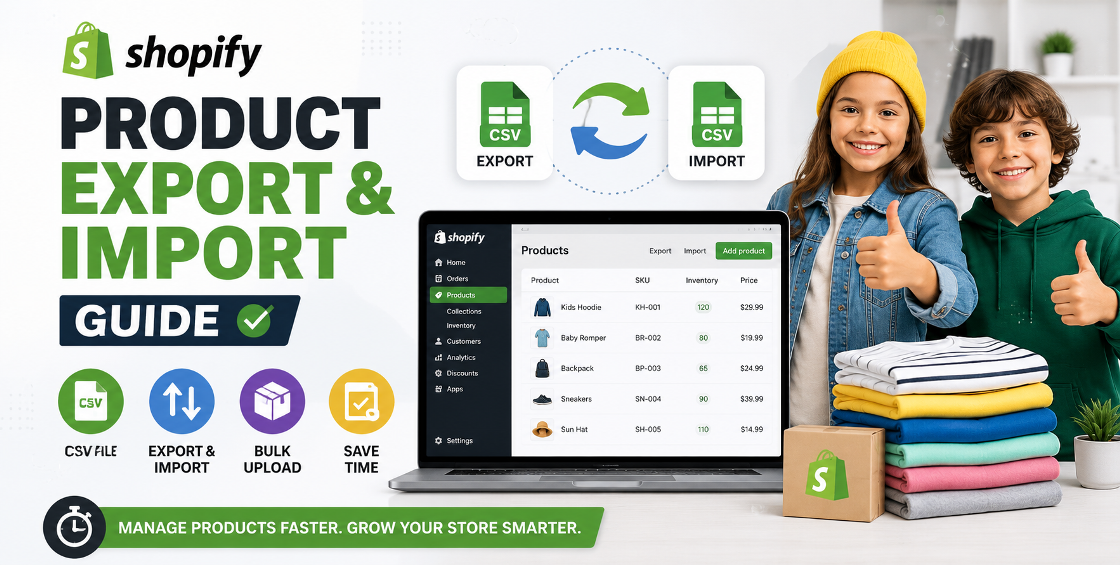
Bulk uploading is essential when managing large Shopify product catalogs.
However, CSV imports are also one of the biggest sources of catalog errors.
Before importing:
Experienced Shopify teams rarely upload thousands of products without testing first.
A small validation process can prevent hours of cleanup later.
Collections become increasingly important as catalogs grow.
Instead of manually assigning products, use automated collections whenever possible.
Products tagged:
Automatically populate relevant collections.
Create rules based on vendor names.
Use product type rules to automatically sort products.
Benefits include:
Variants are often where large catalogs become difficult to manage.
A single product may include:
This can quickly generate dozens or hundreds of combinations.
Avoid mixing formats like:
Choose one format and maintain consistency.
Many stores carry outdated variant combinations that create unnecessary complexity.
Regular catalog audits help identify products that should be archived or simplified.
Not every variant generates equal revenue.
Analyze sales data regularly and focus inventory investment on best-selling options.
Inventory accuracy directly impacts customer satisfaction.
Nothing frustrates customers more than ordering products that are actually out of stock.
Every product should have a unique SKU.
Avoid manually created SKU formats that vary between team members.
If inventory comes from:
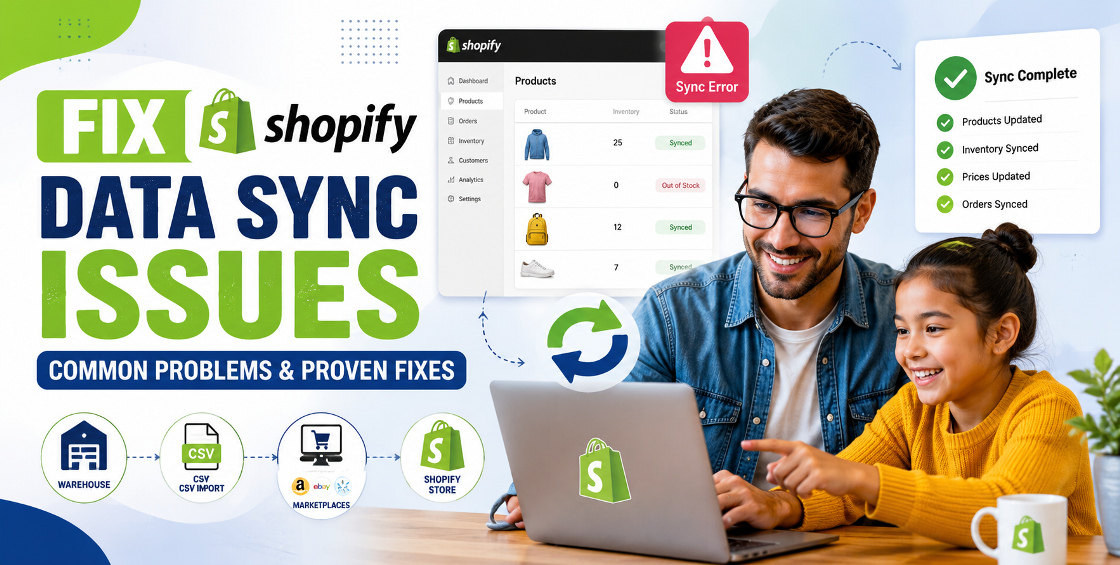
Ensure synchronization is automated whenever possible.
Large catalogs naturally accumulate inventory discrepancies over time.
Monthly reviews help maintain accuracy.
Image management becomes increasingly important as product counts grow.
Many stores with thousands of products lose valuable time searching for image files because no naming structure exists.
Use descriptive filenames:
Instead of:
IMG001.jpg
Use:
mens-blue-oxford-shirt-front.jpg
Benefits include:
Large catalogs present unique SEO opportunities and challenges.
Each product should have:
Avoid duplicate metadata across hundreds of products.
Link products to:
This improves crawlability and user engagement.
Blog content can help drive traffic to large product catalogs.
Examples:
After working with large Shopify stores, several patterns consistently emerge.
Many merchants try to automate a messy catalog. Automation only amplifies existing errors.
Always clean product data first.
Inactive products create unnecessary clutter.
Regular catalog pruning improves efficiency.
A standardized CSV template dramatically reduces upload errors.
As teams grow, documented workflows prevent inconsistencies.
This becomes especially important for stores handling thousands of SKUs.
Managing a large Shopify catalog isn't simply about uploading products. It's about creating systems that allow your store to scale efficiently without introducing errors, confusion, or operational bottlenecks.
The most successful ecommerce brands invest time in clean product data, structured workflows, inventory accuracy, automation, and ongoing catalog maintenance.
When these foundations are in place, Shopify can comfortably support even very large product catalogs while delivering a smooth experience for both customers and store administrators.



Our Trusted Clients
















Our goal is to help our companies maintain achieve best class positions their respective industries & our team works occur that pleasures have to be repudiated.

Copyright © MyShopifyExpert . All rights reserved.